Grasping the Commercial Construction Process: From Concept to Completion
The process of commercial construction is a comprehensive endeavor, comprising various stages from initial concept to final completion. Each phase requires meticulous attention to detail, collaboration among various professionals, and strategic planning. Understanding this process is essential for stakeholders aiming to navigate the complexities involved. As the project develops, specific challenges may arise, generating the need for effective solutions. What steps are essential to ensure a successful shift from vision to reality?
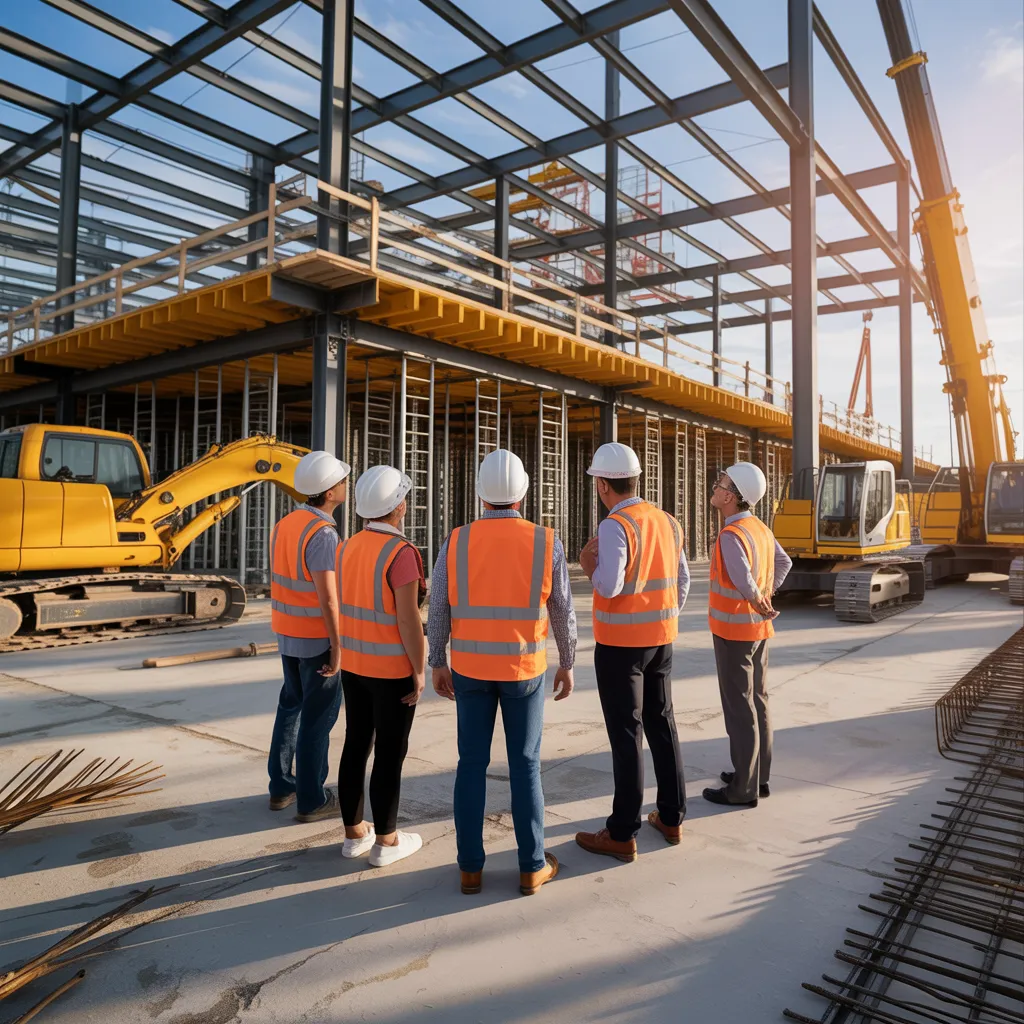
Understanding the Commercial Construction Procedure: From Concept to Reality
Grasping the commercial construction process requires a thorough examination of how a vision transforms into a tangible structure. Initially, the journey starts with conceptualization, where stakeholders determine objectives and gather essential requirements. This stage involves comprehensive planning, including feasibility studies and preliminary designs, to establish the project's viability.
Once the concept is finalized, it progresses to the design phase, where architects and engineers team up to create detailed blueprints, ensuring that visual and functional aspects are consistent with the original concept.
Permitting and regulatory approvals follow, as conforming to local regulations is necessary for continuing with the project.
Subsequently, the project transitions to the construction phase, where materials and skilled labor come together to bring the design to life.
During this process, attention to detail and effective project management are crucial to copyright timelines and budgets, ultimately leading to the effective completion of the envisioned commercial structure.
Selecting the Right Team: Critical Players in Corporate Construction
Within commercial construction, the selection of the right team is vital for project success. Understanding the key roles read this article and fostering effective cooperation and communication among team members can greatly influence the efficiency and outcome of the project. Choosing the right individuals ensures that each aspect of the construction process is handled by qualified professionals.
Critical Roles Defined
The success of a commercial construction project copyrights on the collaboration of key players, each bringing specialized expertise to the table. At the forefront is the project manager, who oversees the entire process, ensuring schedules and financial plans are followed. Architects develop the project, translating client ideas into functional blueprints. Engineers, including structural and civil, focus on the technical aspects, ensuring safety and compliance with regulations. Contractors are responsible for the actual construction, managing workers and building materials on-site. Subcontractors provide specialized skills, such as electrical or plumbing work. Finally, the client plays a crucial role, providing feedback and authorizations throughout the project. Each role is indispensable, forming a cohesive team that guides the project from initial planning to final delivery.
Collaborative Communication
Robust collaboration and open communication among essential players are necessary for the success of any commercial construction project, as these elements promote a cohesive work environment. The project team typically includes architects, engineers, contractors, and subcontractors, all contributing unique expertise. Clear communication channels must be established early, enabling timely exchange of information and addressing concerns promptly. Regular meetings and updates help maintain alignment on project goals, timelines, and budgets. Also, leveraging technology such as project management software can boost collaboration by providing a centralized platform for documentation and progress tracking. A culture of openness inspires team members to share insights and feedback, ultimately leading to better problem-solving and innovation throughout the construction process, ensuring that the project is completed both efficiently and effectively.
Design and Approval: From Ideas to Blueprints
Within commercial construction projects, the progression from initial concepts to detailed blueprints is vital. This phase involves a structured concept development process that assists stakeholders in refining their ideas. Moreover, understanding the steps for permit acquisition is crucial to secure compliance with local regulations before construction can begin.
Idea Development Process
Successful commercial construction commences with a comprehensive concept development process, where ideas are converted into tangible blueprints. This phase involves cooperation between architects, engineers, and stakeholders to establish project goals, budget, and timeline. Initial sketches and designs are developed, reflecting the vision and functional requirements of the project. During this process, considerations for aesthetics, sustainability, and regulatory compliance are also included. Feedback from stakeholders is essential, ensuring that the design matches their expectations and needs. As the concepts take shape, detailed plans are improved, incorporating necessary specifications and materials. This foundational stage sets the tone for the entire construction journey, paving the way for subsequent phases that will bring the vision to life within the constraints of budget and time.
Steps to Acquire Permits
Proceeding through the permit acquisition phases is an vital part of the commercial construction project, as it ensures that all designs satisfy local regulations and standards. Initially, project stakeholders must recognize the necessary permits based on the project type and location. This often necessitates consulting local zoning laws and building codes. After identifying requirements, stakeholders must create and submit complete documentation, including plans and specifications, to the relevant authorities. Review periods range by jurisdiction and may demand revisions to address any concerns presented by officials. Upon approval, the project team can acquire the permits, facilitating construction to commence. Efficient communication with regulatory agencies throughout this process can expedite approvals and mitigate potential delays, providing a smoother advancement from design to construction.
Preparing Your Financial Plan: Funding Before Building Starts
A well-planned budget is crucial for any commercial construction project, as it lays the foundation for financial stability throughout the construction phase. Before construction begins, stakeholders must identify all potential costs, including site procurement, materials, labor, permits, and contingencies. This comprehensive financial overview enables informed decision-making and helps prevent unexpected expenses that could disrupt the timeline.
Financial arrangements should be considered early in the process, including traditional loans, lines of credit, or partnerships. Engaging with financial institutions can help secure favorable terms and guarantee adequate funding is available when needed.
Moreover, creating a clear timeline for expenditures will aid in managing cash flow, allowing stakeholders to allocate resources effectively. By tackling budgetary considerations upfront, construction teams can reduce risks and set a favorable trajectory for the project's success. Consequently, careful financial planning is critical to achieving desired outcomes within the commercial construction landscape.
Main Building Stages: What to Anticipate During the Building Phase?
In the commercial construction process, multiple key steps unfold, with each essential to the project's overall success. The initial step involves site preparation, which includes site clearing, grading, and excavating to create a suitable foundation. Subsequently, foundation work is finalized, establishing the basis for structural development.
Following this, the superstructure stage commences, where walls, roofs, and floors are erected, creating the structure's frame. Once the framework is in place, the focus shifts to the enclosure stage, which includes installing exterior finishes, windows, and doors to shield the interior from the elements.
The next stage involves the interior build-out, where spatial layouts are determined, utility systems including electrical and plumbing are installed, and finishes are applied. In the final stage, the project advances to the commissioning phase, where every system undergoes testing to confirm proper operation and adherence to specifications. All of these stages are vital in converting design plans into a tangible commercial space.
Quality Control During Construction: Ensuring Compliance
Quality control stands as a critical element of the commercial construction process, ensuring that each phase complies with established standards and specifications. During construction, different strategies are applied to monitor quality, including periodic inspections, testing of materials, and compliance audits. These measures enable the identification of potential issues early, providing for timely corrections that can prevent costly delays and rework.
Key personnel, such as project managers and quality assurance inspectors, play a vital role in maintaining these standards. They are responsible for establishing quality protocols and making certain that all subcontractors comply with them. Documentation is also essential; thorough records of inspections and tests help document compliance and provide an audit trail.
Additionally, interaction with all stakeholders is essential to resolve any concerns in a timely manner. By making a priority of quality control throughout the construction process, project teams can boost safety, longevity, and overall project success, eventually delivering a solidly built facility that meets client expectations.
Finishing Elements in Commercial Construction: The Completion and Transfer Process
As construction work approaches its final stages, the finishing details become critical in readying the project for transfer to the client. This stage involves precise focus on details, ensuring that all elements of the building satisfy the designated design and functionality criteria. Essential activities encompass final inspections, quality assurance reviews, and correcting any remaining issues.
In addition, contractors need to gather essential documentation, such as warranties, maintenance manuals, and compliance certificates, which are critical for the client's future reference. A thorough walk-through with the client enables the demonstration of systems and features, fostering confidence in the completed work.
Simultaneously, teams must address any punch list items, which are lesser repairs or adjustments identified during the inspection process. By ensuring all elements are in order, the project can move smoothly from construction to operational status, finally fulfilling contractual obligations and boosting client satisfaction.
Questions & Answers
How Long Does the Commercial Construction Process Typically Take?
Commercial construction typically requires anywhere from a few months to several years, determined by the project's complexity, scale, and regulatory demands. Each stage, from planning to completion, markedly influences the overall timeline.
What Are Frequent Challenges Experienced During Commercial Construction Projects?
Typical challenges in commercial construction projects include cost overruns, postponements caused by weather or supply chain issues, regulatory compliance, unforeseen site conditions, communication breakdowns among stakeholders, and safety concerns influencing worker productivity and project timelines.
How Do Changes in Design Impact the Construction Timeline?
Changes in design generally cause delays in the construction timeline, as they necessitate re-evaluation of plans, potential re-permitting, and changes in materials and labor, all of which can disrupt project schedules and elevate costs.
What Permits Are Usually Required for Commercial Construction?
Usually, commercial construction requires permits like building, zoning, electrical, plumbing, and environmental permits. Area ordinances may stipulate additional provisions, providing compliance with safety, land use, and environmental standards over the course of the construction process.
How Do I Keep My Project Within Budget?
To ensure a project stays within budget, one should create a detailed budget plan, observe expenses regularly, communicate clearly with stakeholders, and adjust plans proactively while predicting potential risks and cost overruns throughout the project lifecycle.