Upgrade Your Home: Inspiring Concepts for Beautiful Home Additions
Renovating a home through carefully planned additions can substantially boost both its functionality and aesthetic appeal. From light-filled sunrooms that embrace the outdoors to large decks designed for hosting guests, the choices are varied. Growing important rooms, including kitchens, strengthens family bonds, while a garage addition can address storage challenges. Appreciating core design factors and careful planning is crucial. Yet, what really drives homeowners to adopt these transformations? The answer lies in the transformative power of well-executed home additions.
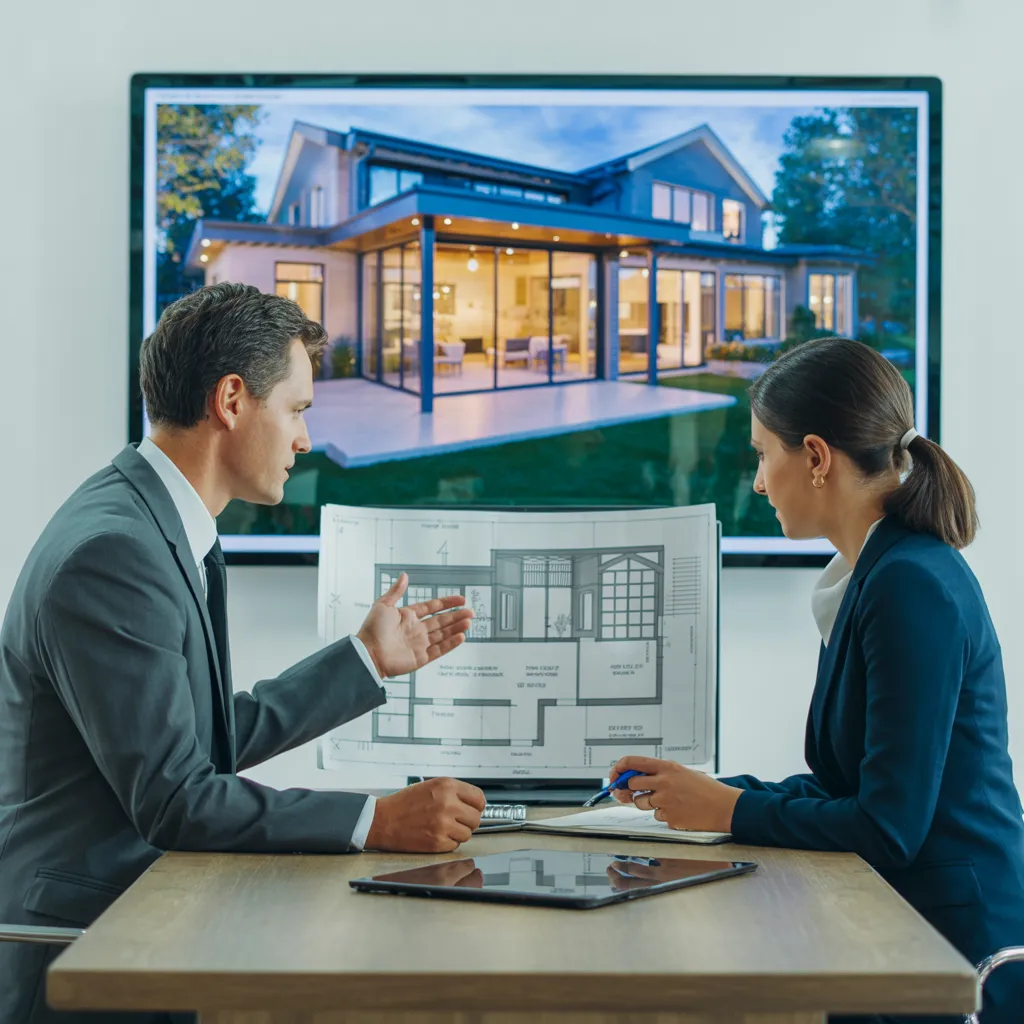
Uncover Leading Home Addition Ideas to Upgrade Your Space
Homeowners frequently look for creative methods to improve their living spaces, and discovering trending home addition concepts can provide remarkable improvements. One widely favored option is the addition of a sunroom, which brings natural light indoors while creating a serene space for relaxation. Another appealing choice is a deck or patio, expanding the usable space into the outdoors and ideal for hosting gatherings.
Homeowners can also explore expanding their kitchens, creating a more useful and appealing environment. Adding a garage not only provides additional storage space but can additionally function as a workshop or hobby space.
For individuals seeking more sleeping areas, a bedroom extension can provide much-needed privacy and comfort. Finally, repurposing attics or basements into usable spaces creates an opportunity for imaginative design while optimizing the available square footage. Each of these ideas has the potential to enhance both functionality and aesthetic appeal, ultimately transforming a home into a more enjoyable environment.
How Home Additions Can Enhance Your Lifestyle?
Home additions can considerably expand living space, providing families with room to grow and adapt. Moreover, adding to a home can result in greater property value, making it a worthwhile investment. Lastly, these additions often foster deeper family connections by creating shared areas for activities and gatherings.
Elevate Living Space
Expanding a home through residential additions can considerably improve one's way of living by delivering greater comfort and functionality. For growing families, additional rooms can accommodate evolving needs, such as a playroom for children or a dedicated home office. A thoughtfully designed addition can develop a natural transition between indoor and outdoor spaces, encouraging relaxation and social interaction. Moreover, including elements like expansive windows or open layouts encourages a sense of openness and connection with nature. Enhanced living spaces also enable individualized design selections, showcasing unique tastes and styles. Overall, home expansions not only optimize existing areas but also establish surroundings that support well-being and enrich daily life.
Improve Property Value
Putting money into property additions can greatly elevate a property's overall value, making it a wise financial decision. By increasing living space or introducing useful living zones, property owners can draw in prospective buyers and increase resale prices. Additions like additional bedrooms, updated kitchens, or flexible living spaces often yield significant returns on investment. Furthermore, improvements such as sunrooms or outdoor decks not only enhance visual appeal but also cater to modern lifestyle preferences, additionally increasing appeal. A carefully designed expansion can turn a residence into a more desirable asset, responding to today's market conditions and buyer interests. Overall, well-considered property expansions serve as a smart approach to maximizing property value while elevating the quality of life for present homeowners.
Strengthen Family Bonds
A thoughtfully crafted addition can substantially strengthen family connections by developing spaces that promote interaction and closeness. Expansive floor plans, such as family rooms or spacious kitchens, act as hubs for collective activities, fostering communication and togetherness. Purpose-built areas for hobbies or playrooms give children a place to interact, while adults can benefit from nearby social spaces. Moreover, incorporating outdoor living spaces, like patios or decks, permits families to congregate in a welcoming environment. These additions not only promote everyday bonds but also create a backdrop for cherished gatherings and celebrations. In the end, well-planned home additions reshape living environments into nurturing spaces that strengthen family ties, elevating overall quality of life.
Important Design Elements to Elevate Your Home Addition
When homeowners consider a home addition, including fundamental design features can greatly boost both appearance and usability. Key elements include natural light, which can be attained with large windows or skylights, establishing a luminous and appealing area. Moreover, an open floor plan promotes seamless flow between original and expanded sections, establishing an atmosphere of harmony.
Using coordinating materials and tones ensures the extension integrates naturally with the original design, sustaining structural cohesion. Careful arrangement of furnishings and fittings enhances usability, rendering the space functional for daily use. Outside transitions, such as a patio or deck, may expand living spaces and promote outdoor activities. Furthermore, energy-efficient designs, utilizing effective insulation and responsible materials, promote enduring cost reductions and environmental stewardship. By focusing on these essential design elements, homeowners can create a cohesive and beautiful addition that enhances their living experience.
Plan Your Home Addition Project with Success
Proper planning is essential for a successful home addition project. Homeowners should begin by identifying their priorities, whether it's generating additional living space, enhancing functionality, or raising the home's value. Establishing a clear vision assists in directing the design and construction process. Next, investigating local building codes and zoning regulations is critical to guarantee compliance and avoid potential setbacks.
Creating a timeline that outlines every phase of the work aids in ensuring clarity and responsibility. Homeowners would benefit from engaging qualified professionals, such as designers or contractors, to gain expert recommendations and keep the project on track.
Moreover, prioritizing collaborative communication among all parties fosters collaboration and addresses issues as they arise. Lastly, anticipating future requirements can support the development of an addition built to serve evolving needs. Through implementing these strategies, homeowners can approach their home addition endeavors with increased certainty and focus.
Financial Planning for Your Home Addition: Must-Know Tips
Budgeting for a home addition demands thorough planning and careful thought to minimize surprise expenditures. Property owners should start by identifying a practical budget that encompasses all components of the project, such as permits, materials, labor, and unexpected costs. It is recommended to set aside an additional 10-20% of the total budget for unforeseen situations.
Gathering and evaluating quotes from multiple contractors can offer useful information and assist in reaching well-informed choices. Additionally, homeowners should prioritize their needs versus wants, guaranteeing that key components are incorporated while staying within their budget.
Establishing a thorough timeline can aid in synchronizing expenditures with construction stages, reducing economic stress. Ultimately, seeking guidance from a financial professional or a construction specialist can shed more light on likely costs and payment alternatives, guaranteeing that the spending stays on track throughout get more info the residential addition endeavor. This calculated method helps in achieving a successful and financially sound property enlargement.
Inspiring Real-Life Home Addition Transformations
Stunning property addition makeovers showcase the impressive potential of home interiors. A prime example is a small cottage-style residence that experienced a significant overhaul with a contemporary, stylish expansion. By including a generous kitchen and dining area, the property owners enhanced their cooking experience while creating a cozy communal area for relatives and companions.
Another transformation features a compact dwelling that expanded vertically with a delightful loft, optimizing the area while adding a cozy reading nook. This smart architectural choice not only added functionality but also brought personality to the space.
In the end, a traditional ranch house embraced a modern look with a glass-walled sunroom, illuminating the interior with generous natural light and revealing spectacular sights of the backyard garden.
These real-world transformations showcase the wide range of possibilities for home improvements, encouraging homeowners to imagine their own distinctive upgrades and redefine their living environments.
Commonly Asked Questions
What Permits Are Required for a Home Addition Project?
For those planning a home addition project, it is typically necessary to obtain the appropriate building permit, approval from the zoning board, and potentially additional electrical or plumbing authorizations. Municipal regulations differ, so consulting with municipal authorities is essential to guarantee compliance with all requirements.
How Much Time Does a Standard Home Addition Usually Take?
A typical home addition usually takes anywhere from two to six months to complete, influenced by factors such as permits, size, complexity, and weather conditions. Thorough planning and an efficient contractor can greatly affect the overall timeline.
Can I Live in My Home During the Addition Process?
In most cases, homeowners can frequently remain in their homes during the addition process. However, aspects like the scale of the project, work area, and noise levels may impact accessibility and comfort, prompting temporary arrangements or modifications during the building process.
What Are the Most Common Mistakes to Avoid When Planning an Addition
Frequent errors to watch out for when planning an addition include misjudging the overall budget, overlooking required permits, failing to address structural concerns, not considering long-term requirements, and not consulting professionals. Thorough planning ensures a more seamless process and superior outcomes.
How Should I Go About Choosing the Right Contractor for My Project?
To select the right specialist, you should investigate experience, examine testimonials, and ensure clear communication. Reviewing various quotes and evaluating past projects can help determine reliability and compatibility for the specific home addition project.